
Hardwood Floor Refinishing in Minneapolis
Dust-controlled sanding, staining, and recoating that brings a tired wood floor back to life, by a licensed local crew that checks the boards before quoting the job.
Free on-site estimate. NWFA Certified. MN Lic. BC707093.
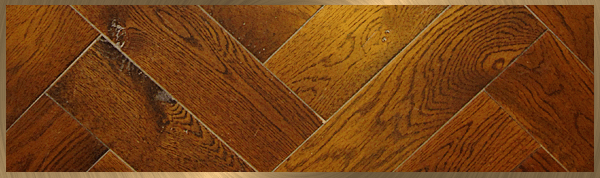
Hardwood Floor Refinishing in Minneapolis and the Twin Cities
Anton's Floorcovering refinishes hardwood floors across Minneapolis and the Twin Cities: we sand off the old finish, repair what needs it, and lay down fresh stain and a protective coat so the floor you own looks new again, no tear-out. Owner Anton Korotchuk has done this since 2008, is an NWFA Certified Wood Flooring Professional, and the company is EPA Lead-Safe Certified and licensed in Minnesota (Lic. BC707093). We check the floor and give you a written price before any machine starts.
Refinishing is almost always cheaper than new flooring when the wood is sound, and it keeps the original character of an older home. If the boards are too far gone or you want a different species entirely, that is a different conversation, and we cover new installs on our hardwood floor installation page so you can weigh refinish against replace with real numbers.
When refinishing is the wrong call
We will tell you when not to refinish, even though it costs us the job. If your floor has already been sanded two or three times and there is barely any wood left above the tongue, another full sand will expose the fasteners and ruin the boards. If the hardwood sits in a space that fights moisture, a bathroom, a mudroom that takes wet boots all winter, or a basement with a damp history, refinishing just resets a clock that will run out again. In those rooms we point you to a waterproof luxury vinyl plank floor instead. We would rather send you to the right floor than take money for one that will fail.
Floor Sanding and Refinishing: What We Cover
People call this job a dozen different things. Here is what falls under floor sanding and refinishing when you work with us, so you find the one you searched for.
Not sure which one your floor needs? Tell us what is going on and we will come back with a straight answer and a flat price.
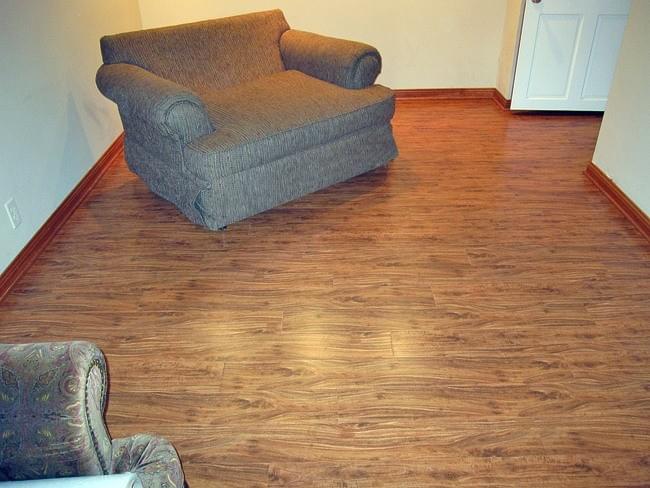
Floor Sanding and Refinishing, Step by Step
Here is how a refinish runs, so you know what you are buying and what the house will be like while we work. The biggest difference between a good refinish and a bad one is dust control and prep, not the sanding itself.
- Walkthrough and board check. We look at how much sound wood is left above the tongue, find the gouges, water rings, and pet stains, and decide whether the floor needs a full sand or a screen and recoat. You get a written price before anything runs.
- Prep and repair. Furniture out, vents and doorways sealed, and any damaged boards replaced and feathered in so the repair disappears once the whole floor is one color.
- Dust-controlled sanding. Our sanders run with vacuum collection that pulls the grit into the machine instead of across your furniture and into the air. It is not literally zero dust, but it is a world away from the open-bag sanding that coated whole houses a generation ago.
- Stain, if you are changing color. This is where a floor goes lighter or darker. We can also leave the natural wood and skip straight to finish.
- Finish coats. Water-based for a faster return to the room, or oil-based for the warmer amber tone that deepens over the years. We walk you through the trade-off on the estimate.
"Anton's team did a great job. The floors were restored to better than new condition. I checked with other contractors and while Anton's wasn't the cheapest they pointed out details of the proposed work that others were not going to do." - Lee Bosacker
Ready to see what your floor needs? Call (952) 270-5197 and we will set up a free on-site look.
Screen and Recoat vs. Full Refinish
Most floors we look at only need a screen and recoat, not a full sand, and knowing the difference is how you avoid overpaying. A screen and recoat lightly abrades the worn top layer of finish and lays a fresh coat of polyurethane over it, which works as long as the damage has not reached the bare wood. A full refinish sands everything down to raw wood, which you need once scratches, stains, or gouges have cut through the old finish into the boards.
| Your floor | Screen & recoat | Full refinish |
|---|---|---|
| Dull, lightly scratched, finish intact | Best fit | Overkill |
| Scratches cut through to bare wood | Will not hide it | Needed |
| Deep gouges, pet stains, water rings | No | Needed |
| Changing the stain color | Not possible | Required |
| Thin engineered wear layer | Only safe option | Risks cutting through |
A screen and recoat done on a schedule, roughly every handful of years before the finish wears through, is the cheapest way to make a wood floor last for decades, because it keeps you from ever needing a full sand. We will tell you honestly which column your floor is in when we look at it. Request a free estimate and we will put it in writing.
Hardwood Refinishing Cost & FAQ
What does hardwood floor refinishing cost, and what changes the price?
There is no flat per-square-foot number, because a refinish is priced on what the floor actually needs, not a rate card. The square footage and room count set the base, then the work scales with the finish you choose (fast-drying water-based versus a slower oil-based that ambers over time), whether you are keeping the natural color or changing stain, and how much repair the boards need before sanding. Floors with deep gouges, pet stains that soaked through, or failed old finish take more passes than a floor that just looks dull. We walk the floor, check how much sound wood is left above the tongue, and give you a written quote before any machine touches it. Call (952) 270-5197 for a free on-site look.
Is screen and recoat the same as refinishing?
No, and this is the single thing that saves our customers the most money. A full refinish sands the floor down to raw wood, removes the old finish entirely, and builds a new finish back up. A screen and recoat (also called a buff and coat, or floor polishing and buffing) only abrades the top layer of worn finish and lays a fresh coat of polyurethane over it. If your floor is scratched and dull but the wood underneath is sound and has never been stained or gouged into the bare wood, a screen and recoat restores the shine for a fraction of a full sand. If the damage has reached the wood, no recoat will hide it and you need the full sanding. We tell you honestly which one your floor needs.
How long does hardwood refinishing take?
It depends on the square footage, the number of coats, and the finish you pick, because drying time is the real clock, not sanding time. A water-based finish is walkable far sooner than an oil-based one, which is why we often recommend it for families who cannot stay off the floor for long. We give you the realistic timeline for your specific job and finish during the on-site estimate, including when you can walk on it in socks and when you can move furniture back, so you can plan around it instead of guessing.
Can you refinish engineered hardwood?
Sometimes, and it comes down to the wear layer. Engineered hardwood is a real-wood veneer over a plywood core, and only the veneer can be sanded. A thick wear layer (roughly 3mm or more) can usually take a light sand and refinish once or twice in its life. A thin veneer cannot be sanded without cutting through to the core, so on those floors a screen and recoat is the only safe option. We measure or identify the wear layer before recommending anything, because sanding through an engineered veneer ruins the board. If you are not sure what you have, we will tell you after we look.
Do you refinish and sand floors in Minneapolis and the west metro suburbs?
Yes. Anton's Floorcovering sands and refinishes hardwood across Minneapolis, St. Paul, and the west and southwest Twin Cities metro, working out of Victoria. We regularly refinish floors in Edina, Eden Prairie, Minnetonka, Chanhassen, Burnsville, Bloomington, Eagan, and the surrounding suburbs, in both homes and commercial spaces. Call (952) 270-5197 to check your address.
Refinishing & Wood Floor Work Photos


Floor Sanding & Refinishing by City
Anton's Floorcovering sands and refinishes wood floors across the west and southwest Twin Cities metro. Here is where we work most, with a guide for each area.
Do not see your suburb? Call (952) 270-5197 to check your address.
Bring Your Hardwood Back to Life
Tell us what your floor looks like and we will come out, check the boards, and put a straight price in writing. No sales pressure, no guessing over the phone.
Related: hardwood installation · luxury vinyl plank · tile & stone