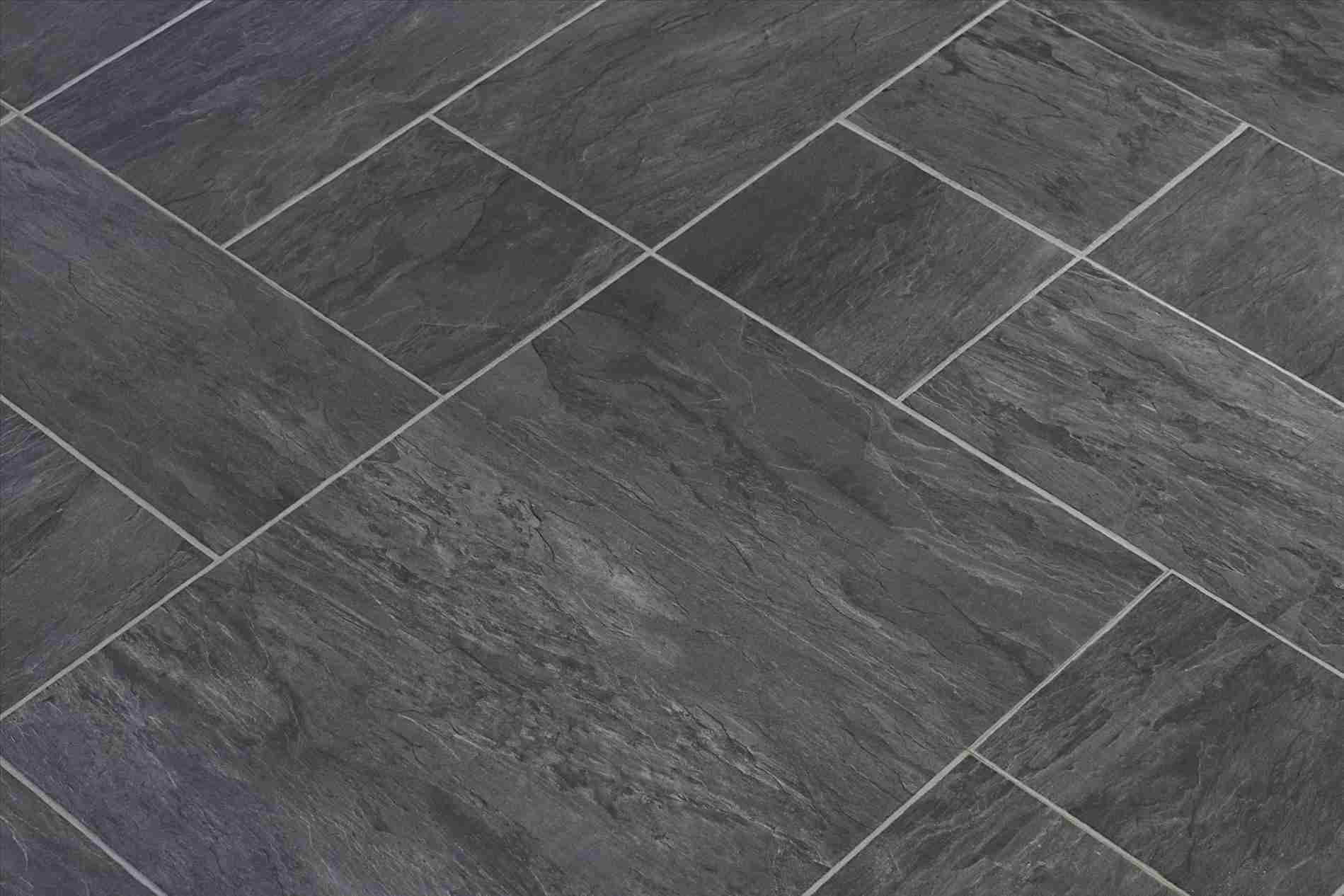
Porcelain vs ceramic bathroom floor tile is the choice most homeowners get stuck on once they've picked a color they like, and the showroom rarely explains why it matters underfoot in a wet, cold-climate room. The short version: both are fired clay, but porcelain is denser, absorbs far less water, and takes cold and heavy traffic better, which is why it's what we default to on bathroom floors here. Anton Korotchuk has set tile in bathrooms across the west metro and Twin Cities, and this guide walks through the same specs he reads off the box before he'll put a tile on a floor: water absorption, PEI wear rating, and slip resistance. Anton's Floorcovering is owned and run by Anton Korotchuk and holds MN license BC707093, so you'll get the straight answer on what belongs on your floor before we quote it.
Porcelain vs ceramic bathroom floor tile: what's actually different
Both porcelain and ceramic are made from clay fired in a kiln, and on a showroom wall they can look identical. The difference is density and water absorption, and by the industry definition it comes down to one number: porcelain is a tile with a water absorption rate at or below 0.5 percent, while standard ceramic absorbs more, often in the 3 to 7 percent range. That denser porcelain body is fired hotter and harder, so it's tougher, less porous, and better suited to a floor that sees water and foot traffic every single day.
The number that decides it: porcelain absorbs 0.5 percent water or less. On a bathroom floor that's the spec we start from, not the color.
That water-absorption gap is the whole reason we lean porcelain on floors. A denser body means water sits on top and gets wiped up rather than working into the tile over years of showers, and it means the tile shrugs off the freeze-thaw stress that shows up in any part of a Minnesota home that runs cold. Ceramic still has a place, and we'll get to where it earns its keep, but for the floor of a working bathroom the physics favor porcelain.
Best bathroom floor tile: the three specs we read before we set it
There's no single best bathroom floor tile for every room, but there is a right one for yours, and it comes down to three numbers on the box, not the pattern. Here's the order we read them in on the job:
1. Water absorption (porcelain vs ceramic)
This is the first spec and the reason porcelain usually wins the floor. At 0.5 percent absorption or less, porcelain barely takes on water, so it holds up in the splash zone around a tub or a curbless shower far better than a more porous ceramic. On a powder room that never sees a shower, a quality glazed ceramic can be fine. On a full bath, master bath, or any floor near standing water, porcelain is the safer buy.
2. PEI wear rating
The PEI rating (Porcelain Enamel Institute, a 0 to 5 scale) tells you how much surface abrasion the glaze can take. For a residential bathroom floor you want PEI 3 or higher, and PEI 4 is a comfortable, durable choice for a busy family bath or a mudroom-adjacent space. PEI 1 and 2 tiles are wall and light-use tiles, not floor tiles. A tile can look gorgeous and still be rated for a wall only, which is a mistake we catch before it ends up underfoot.
3. Slip resistance (DCOF)
DCOF (dynamic coefficient of friction) measures how slip-resistant a tile is when wet, and for a wet-area floor the industry benchmark is a DCOF of 0.42 or higher. A glossy, low-DCOF tile that's beautiful and safe on a wall can be a slick hazard on a bathroom floor the moment it gets wet. On floors we steer toward a matte or textured finish, or a small-format tile whose extra grout lines add grip, so the floor is safe wet, not just dry.
Water absorption, PEI, then DCOF. Read those three off the box and you already know more about that tile than most of the floor decision requires.
Bathroom floor tile porcelain: cold-climate and radiant-heat notes
Choosing bathroom floor tile porcelain does more than survive water. Its density is also what makes it the right partner for two things that come up constantly in Minnesota bathrooms: cold floors and radiant heat. Tile of either kind runs cold underfoot in a January bathroom, which is exactly why so many of our bath remodels pair the tile with an electric radiant mat under it. Porcelain's dense, dimensionally stable body handles that heat cycling well and conducts warmth evenly across the floor, so a radiant system reads as a genuinely warm floor rather than warm patches.
Minnesota reality: a tile floor is cold in a Twin Cities winter. On bath remodels we frequently set an electric radiant mat under porcelain so the floor is warm underfoot from November to April.
Cold-climate durability is the other porcelain advantage. Any tile in an unheated or partly heated space that swings from warm to freezing puts stress on both the tile and the setting bed, and a low-absorption porcelain body with the right mortar and movement joints takes that cycling far better than a porous tile would. This matters most in a bath over an unheated crawlspace or on an addition, and it's part of why we spec porcelain plus the correct substrate rather than treating the tile as the only decision. Planning a full bath? See our approach to bathroom tile installation on the main service page.
Is porcelain tile good for bathroom floors? Grout and substrate from the bench
Porcelain is only as good as what it's set on, and in a bathroom the substrate and grout are where cheap jobs fail. The tile can be perfect and the floor still cracks or leaks if the layers underneath are wrong. Here's how we build a bathroom floor so it lasts:
- Substrate: a wet-area floor gets a cement backer board or an uncoupling membrane over a sound, flat subfloor, never tile straight onto plywood, so the floor can move seasonally without transferring stress into the tile and cracking it.
- Waterproofing: around a curbless shower or a tub, the wet zone gets a proper waterproofing membrane under the tile, because grout is water-resistant, not waterproof.
- Grout: we favor a quality grout and a tight, consistent joint, and we seal cement-based grout in wet areas so it resists staining and moisture over the years.
- Layout: small-format or mosaic tile on the shower floor adds slope for drainage and extra grout lines for grip, which is why you'll often see a large porcelain tile on the main floor and a smaller matching tile in the shower pan.
Not sure whether your bathroom needs a membrane, backer board, or just a flatness correction? Call (952) 270-5197 and we'll read the subfloor before we quote, or request a written estimate and we'll scope the wet areas first. You can also see our full porcelain and ceramic floor tile installation work on the tile and stone page.
When ceramic (or neither) is the right call
We'll say it plainly, because it might cost us the upsell: you don't always need porcelain, and tile isn't always the answer. A guest powder room that never sees a shower can take a quality glazed ceramic just fine, and ceramic is often a little easier and cheaper to cut and set, which can bring the job in lower without hurting a low-moisture floor. And if what you actually want is a warm, forgiving, fully waterproof floor without the cost of a tile setting bed, a luxury vinyl tile can be the smarter buy in a secondary bath or a rental. When porcelain is the right floor, it's worth it. When it isn't, we'd rather point you to the product that is.
Frequently Asked Questions
Is porcelain tile good for bathroom floors?
Yes, porcelain is one of the best choices for a bathroom floor, and it's what we default to on full baths. Its water absorption rate is 0.5 percent or lower, so it barely takes on moisture in the splash zone around a tub or shower, and it's dense and hard enough to hold up to daily foot traffic for decades. Pick a porcelain rated PEI 3 or higher for the floor and with a DCOF of 0.42 or above so it stays slip-resistant when wet, set it over the right waterproof substrate, and it will outlast most of the room. That combination is exactly why porcelain is the standard we spec on bathroom floors.
What's the difference between porcelain tile bathroom floor and ceramic?
Both are fired clay, but a porcelain tile bathroom floor uses a denser body fired hotter, so it absorbs 0.5 percent water or less, while standard ceramic typically absorbs 3 to 7 percent. That lower absorption is what makes porcelain the tougher, more water-resistant choice for a wet room and a cold climate, and it's why porcelain resists the freeze-thaw stress that shows up in colder parts of a Minnesota home. Ceramic still works well on a low-moisture floor like a powder room, and it can cost a bit less, but for a full bath or any floor near standing water we recommend porcelain.
Do porcelain and ceramic bathroom floor tile need radiant heat in Minnesota?
You don't need radiant heat, but a lot of our clients add it, and porcelain is the ideal tile to pair it with. Tile of either kind runs cold underfoot in a Twin Cities winter, so on many bath remodels we set an electric radiant mat under the tile to keep the floor warm from late fall through spring. Porcelain's dense, dimensionally stable body handles the heat cycling well and spreads the warmth evenly. If you're considering it, tell us up front so we build the substrate and set the tile for a radiant system from the start rather than retrofitting later.